

A real house, independently tested against the Step Code
Not a laboratory wall sample. A completed Pacific Homes package on Vancouver Island, tested by Enertech Solutions with the owners living in it.
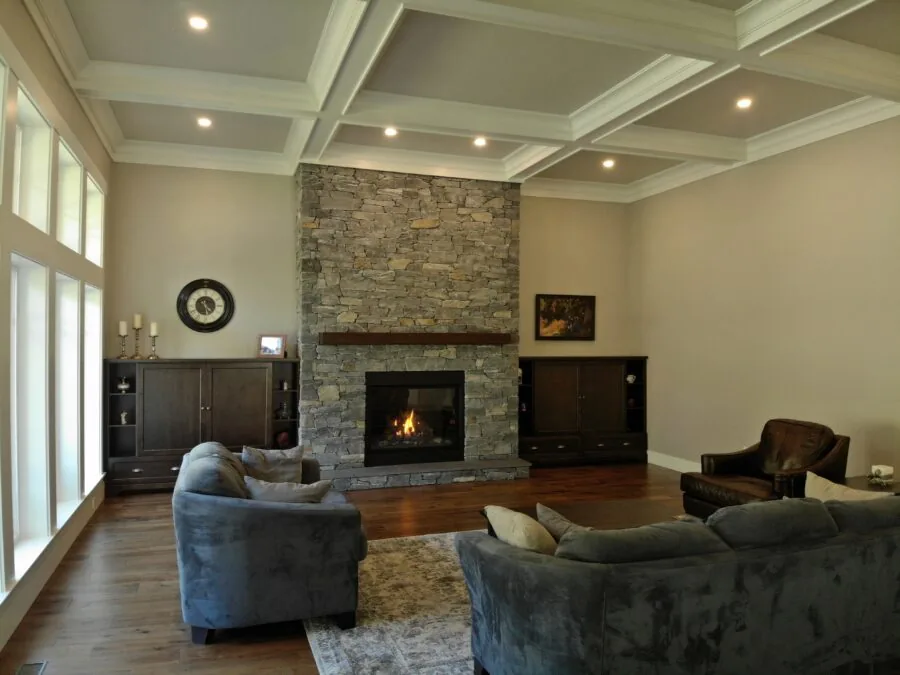
Step 4, with 2x8 SmartWalls
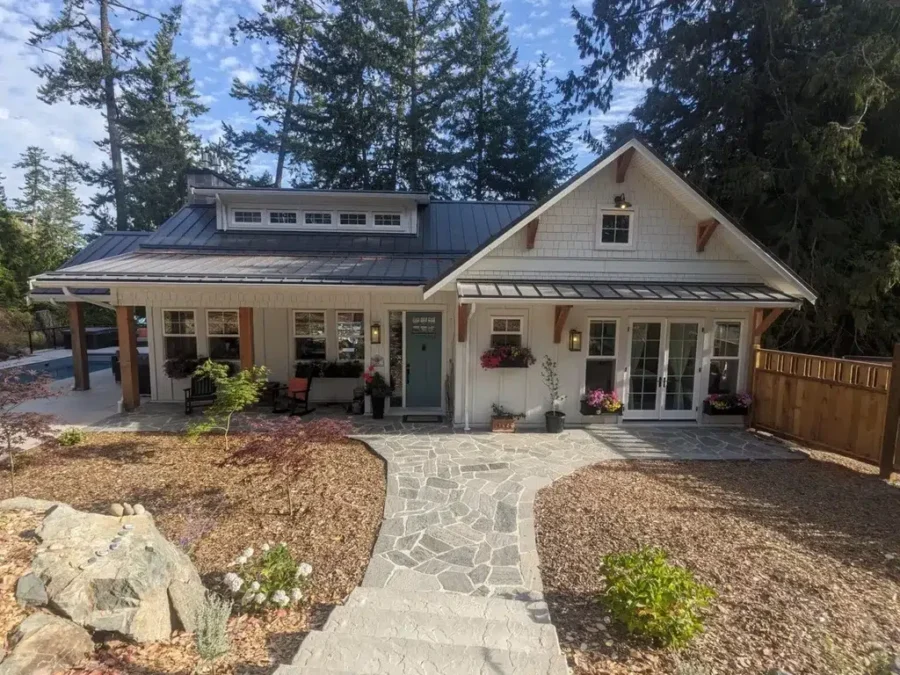
Enertech Solutions Ltd tested a completed Shawnigan package on Vancouver Island, built with 2x8 Pacific SmartWalls. The tests measured overall efficiency and, more usefully, identified exactly where the house was losing heat.
This is the third independent test on the assembly. RDH Building Science measured the effective R-value, Enertech Solutions tested a completed house against the BC Energy Step Code, and FPInnovations covered seismic. The wall data and the seismic result.
Enertech on site, June 2020
A blower door test pressurises the house and measures how much air moves through the envelope. These are from the day it was done.
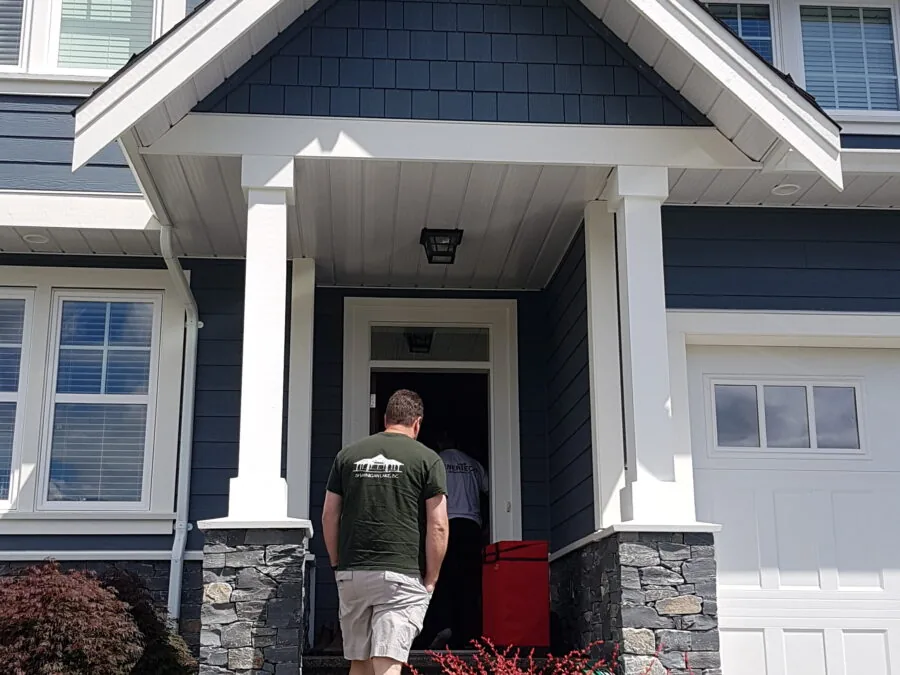
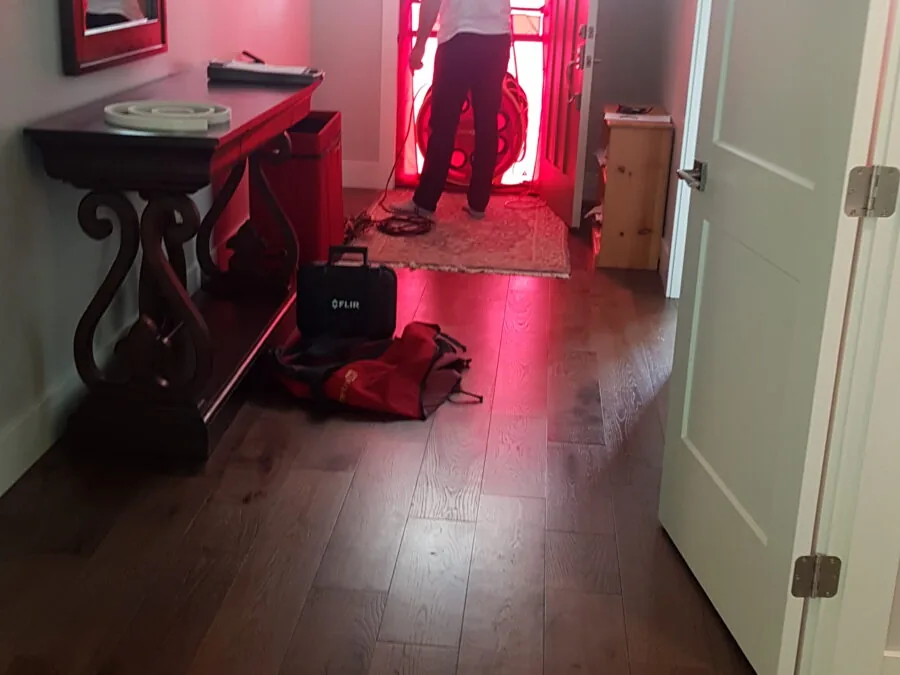
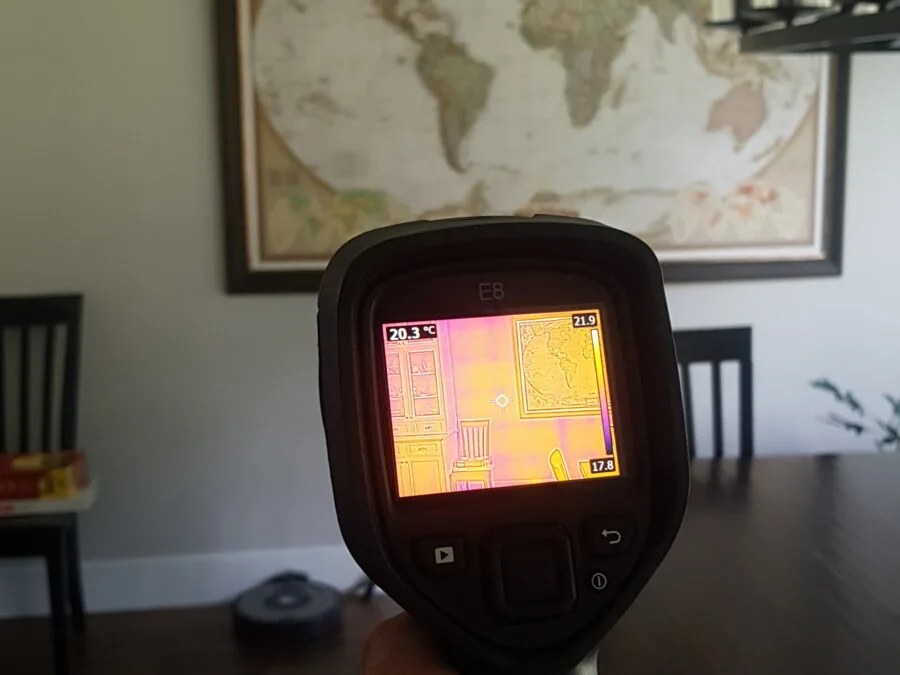
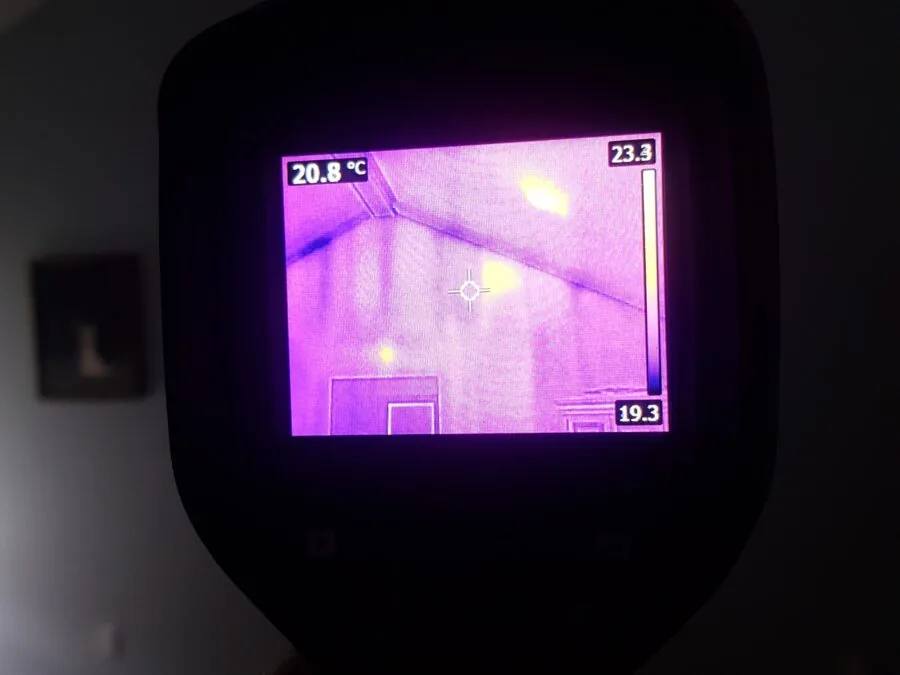
Ask a Build Specialist and we will share the full Enertech reports. They cover the whole house rather than a laboratory wall sample, which is the more useful measurement and the harder one to obtain.
The wall was not the limiting factor
Enertech found the heat leakage was mostly around certain light fixtures, and the windows were double glazed. The SmartWalls themselves were, in their words, incredibly effective at retaining heat.
What would have reached Step 5
Enertech stated that if the air changes per hour were lowered from 1.12 to 1.0 by fixing those leakages, and the windows upgraded to triple glazing, the same house would land in Step 5 and be considered a net zero ready build.
Why that is worth publishing
Because it is actionable. A buyer aiming at Step 5 now knows the two things to specify, and neither of them is the wall. Both are decisions made at design stage, and both are cheaper then than afterwards.
Step Code is a whole building measure, not a wall rating. It accounts for airtightness, glazing, mechanical systems and building form together. A high performance wall is a large contributor and the part hardest to improve later, but no single component delivers a Step on its own.
Anyone telling you a particular wall automatically qualifies a house for the top rebate tier is describing something the code does not actually do.
What the Steps mean
The BC Energy Step Code exists to help British Columbia reach its goal that by 2032 all new buildings are net zero energy ready. Buildings are rated from Step 1 to Step 5.
Step 1
The entry level of the performance path, requiring an energy model and airtightness testing.
Step 2
Improved envelope performance over the base requirement.
Step 3
A meaningfully better envelope, common as a municipal minimum in parts of BC.
Step 4 Tested result
Where the Shawnigan package landed with 2x8 SmartWalls and double glazing.
Step 5 Net zero ready
Reachable on the same house with 1.0 ACH and triple glazing, per Enertech.
A net zero energy building consumes zero energy overall: the annual energy used is roughly equal to the renewable energy generated on or near the site. Net zero ready means the building is efficient enough that adding generation would achieve it. Net zero and passive house are different targets.
Airtightness is workmanship, not a purchase.
Air changes per hour measures how much air moves through the envelope in an hour, established with a blower door test that pressurises the house.
Insulation levels are a purchasing decision: you specify them and you get them. Airtightness is a detailing and workmanship result, which is why two houses with identical insulation can perform very differently, and why the gap between 1.12 and 1.0 came down to light fixtures rather than materials.
Step Code questions
A completed Pacific Homes package built with 2x8 SmartWalls was independently tested by Enertech Solutions Ltd and landed at Step 4. The wall was not the limiting factor: the heat leakage found was mostly around certain light fixtures, and the windows were double glazed. Enertech stated that lowering the air changes per hour from 1.12 to 1.0 and upgrading to triple glazing would place the same house in Step 5.
No, and it is worth being clear about that. Step Code is a whole building performance measure, not a wall rating. It accounts for airtightness, glazing, mechanical systems and the building form together. A high performance wall is a large contributor and it is the part hardest to improve later, but Step 5 is reached by the whole assembly rather than by any single component.
Air changes per hour, a measure of how much air moves through the building envelope in an hour, established with a blower door test. The tested house recorded 1.12, which is considerably better than an average home. Airtightness is a detailing and workmanship result rather than a purchasing decision, which is why two houses with identical insulation can perform very differently.
It was created to help British Columbia reach its goal that by 2032 all new buildings will be net zero energy ready. Buildings are rated from Step 1 to Step 5, with Step 5 representing a net zero ready home. A net zero energy building consumes zero energy overall, meaning the annual energy used is roughly equal to the renewable energy generated on or near the site.
Yes. Ask a Build Specialist and we will share the Enertech Solutions test reports. They cover the whole house rather than a laboratory wall sample, which is the more useful measurement and the harder one to obtain.
Related pages
Tell us which Step you need to hit.
Step 3, 4 or 5 changes the wall depth, the glazing and the mechanical specification together, and it is far cheaper decided at the drawing stage than discovered in an energy model. We can share the Enertech reports.