
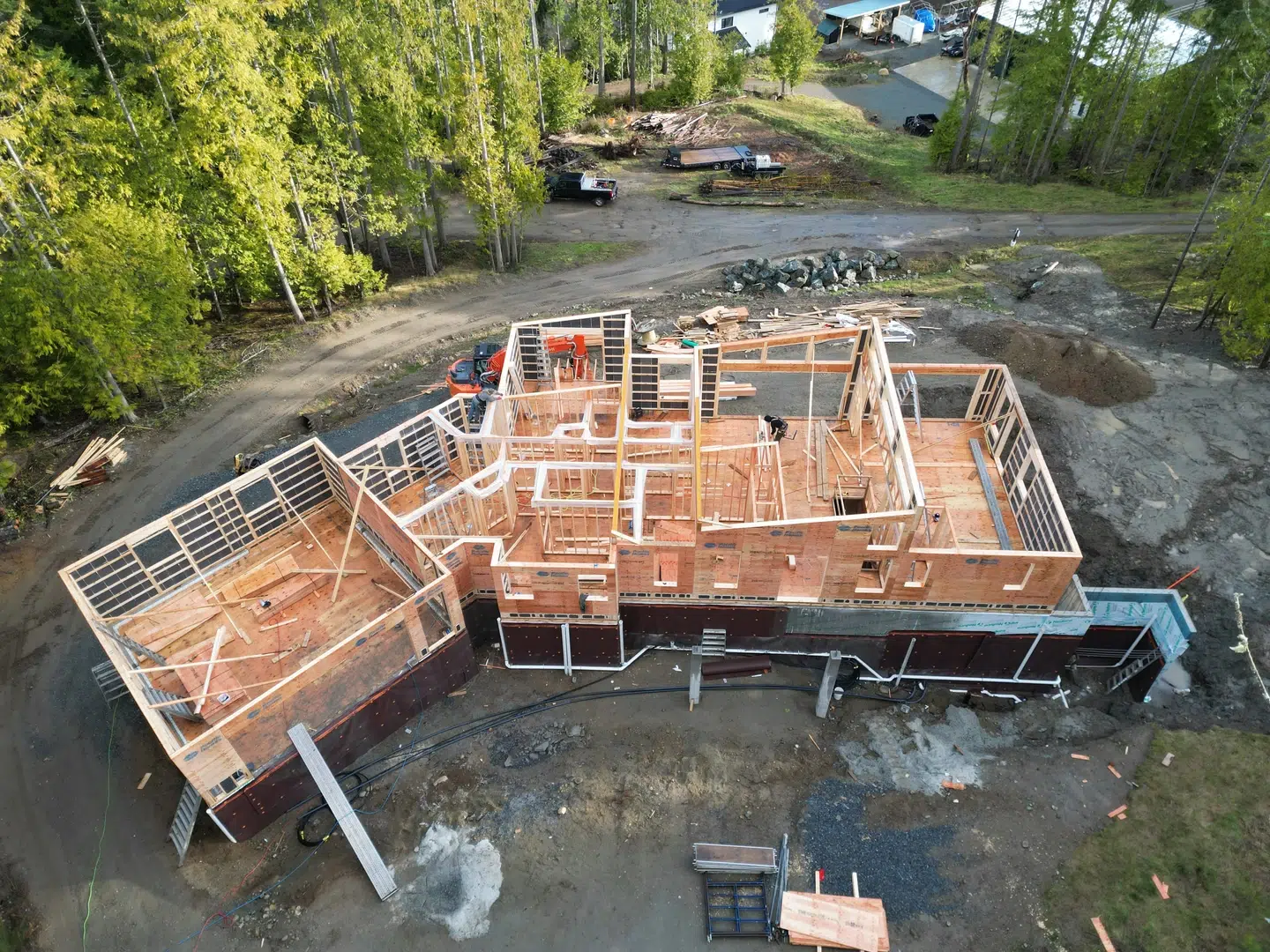
Why a factory built panel is more accurate
Not because the people are better. Because the variables are gone: stable temperature, dry lumber, computerized cutting, and the same procedure every time.
On a site, quality control happens after the work is done.
Which means by the time a problem is found, it has already been built into the structure, and correcting it means undoing something that is now holding up something else.
In a manufacturing facility the inspection happens at the station where the work occurs. An issue is caught and corrected immediately rather than discovered weeks or months later, and every panel is tracked and documented before it leaves the building.
One precise cut changes everything downstream
This is the argument for factory manufacturing that actually matters, and it is a chain rather than a single benefit.
- Rough openings are cut by computerized equipment to exact dimensions
- So windows and doors fit properly, first time
- Framing dimensions stay consistent panel to panel
- So electrical and plumbing rough-ins align where the drawings say they will
- Walls arrive plumb and corners arrive square
- So interior finishes install cleanly instead of being scribed to fit
- Proper alignment throughout reduces air leakage
- The result is a house where doors close and floors do not squeak
It is the difference between a house that is close enough and one that is built right, and none of it is visible when you walk in. It shows up in the years afterwards.

Weather is the wildcard, and we removed it.
Rain delays framing for days or weeks. Extreme temperatures affect how materials perform and how well people work. High humidity changes lumber moisture content and how adhesives cure.
Inside the facility, temperature is consistent and humidity is controlled. Better adhesive bonds, more accurate measurements, and materials that hold the properties they were specified for.
Lumber is also stored dry rather than sitting on a lot. Wood that has been rained on warps, shrinks and in the wrong conditions grows mould, and none of that can be corrected later.
Four things a facility can do that a lot cannot
Material kept in condition
Lumber stored protected from moisture and temperature swings, so it does not warp or shrink before it becomes part of your house.
The same procedure every time
Skilled crews following proven procedures for every panel, which removes the variability of different crews using different techniques on different days.
Problems caught at the station
Identified and corrected during manufacturing rather than found later, when fixing them means taking something apart.
Every panel documented
Tracked through the process, creating a record of materials, specifications and quality checks that follows the package to your site.
None of this replaces craftsmanship. It gives the people doing the work proper lighting, the right tools and ergonomic stations, rather than a cramped space in the rain. That is where attention to detail comes from.
Manufacturing to order is not the same as manufacturing a range.
People assume factory built means limited choice. It is the opposite here, because each panel is made for your house rather than selected from a catalogue.
An unusual window configuration means panels with precisely cut openings for it. Specific structural requirements for your region mean panels engineered to meet them. The constraint that limits a modular home, finished rooms having to travel down a road, does not apply to flat panels at all. Browse plans, or bring your own drawings.
Over 90% of our production waste is recycled by local companies.
Cutting patterns are optimised to maximise material use, computerized saws minimise offcuts, and an offcut from one panel can often be used in another. Industry estimates put the share of construction materials reaching landfill somewhere between a quarter and two fifths; ours is a figure we can stand behind.
Waste is also a decent proxy for precision. A process that wastes little is a process that knows exactly what it is cutting. More on our environmental commitments.
Manufacturing questions
Because the variables are removed. On a site, measurements depend on who is holding the tape that day and whether it is raining, snowing or thirty degrees. In a facility, wall panels are cut by computerized equipment to consistent tolerances, in stable temperature and humidity, by people following the same procedure every time.
No, because panels are manufactured to order rather than selected from a range. An unusual window configuration means panels with precisely cut openings for it. Specific structural requirements for your location mean panels engineered to meet them. What constrains a modular home, the need for finished rooms to travel down a road, does not apply to flat panels.
During manufacturing, which is the whole point. In traditional construction much of the quality control happens after the work is done, when a problem has already been built into the structure and correcting it means undoing something. In a facility an issue is identified and corrected at the station where it occurred.
Yes, and the effects compound. Precisely cut rough openings mean windows and doors fit properly. Consistent framing dimensions mean electrical and plumbing rough-ins align. Plumb walls and square corners mean interior finishes install cleanly. Proper alignment throughout reduces air leakage, and accurate framing prevents doors that will not close and floors that squeak.
Rain delays framing for days or weeks. Extreme temperatures affect material performance. High humidity changes lumber moisture content and how adhesives cure. In a facility with consistent temperature and controlled humidity, none of those variables are in play, and lumber is stored dry rather than sitting on a lot.
The facility is in Cobble Hill on Vancouver Island and you can come and see it. Tour the plant, or read about the SmartWall assembly the panels are built to.
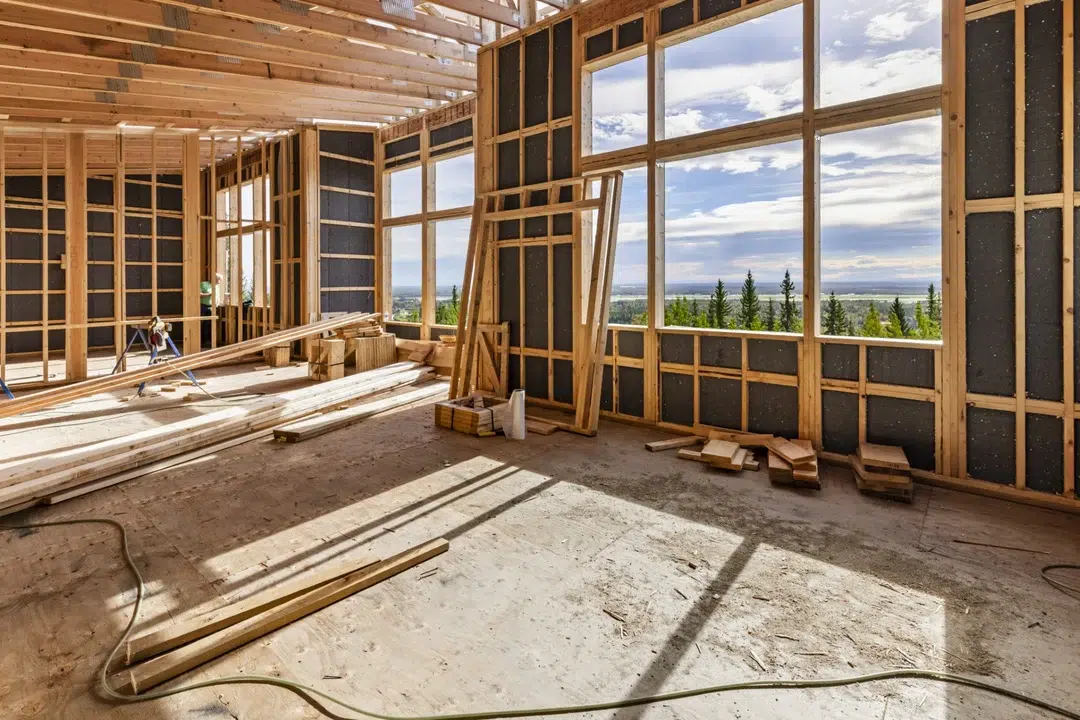
The best argument is the factory floor.
Reading about tolerances is one thing. Watching panels come off the line for a house that is going up next month is another. Visitors are welcome.