
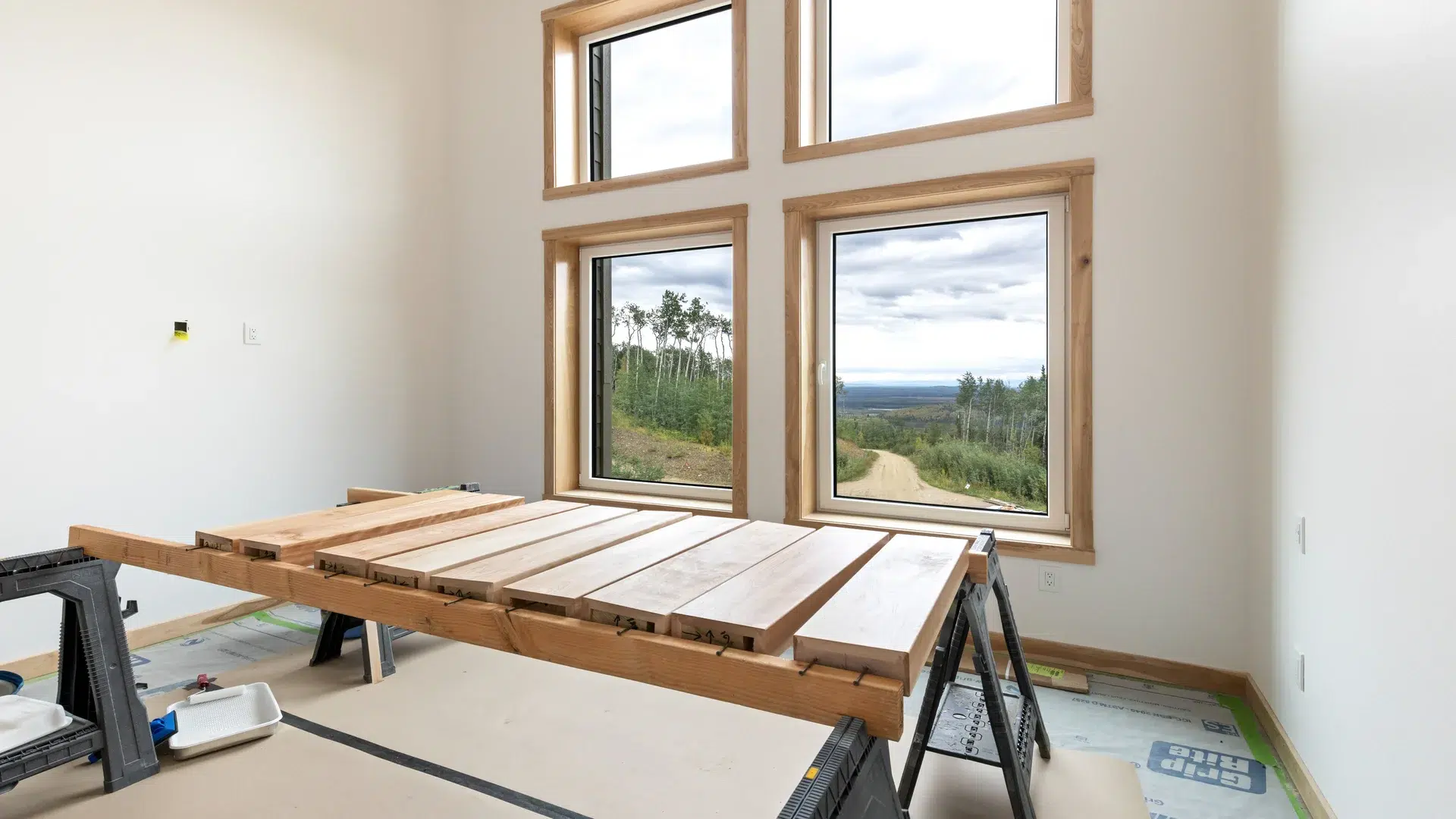
Five decisions that decide how sustainable a house is
Most of them are made before anything is manufactured, and most of them cannot be changed afterwards. Orientation, shape, envelope, materials, and whether you build something worth keeping.
Building sustainably is a design question first.
A sustainable home means designing and constructing a house with the least negative impact on the environment that is practical. Where you build, how it is constructed, and what it is built from.
Almost all of that is decided at the drawing stage. A house can be given a better heating system later; it cannot be given a better orientation, a more compact form or a different envelope. These five are in roughly the order they get decided.
The five
The building system
Offsite construction is among the most environmentally conscious processes in the industry. Components are designed, engineered and manufactured in a climate-controlled facility, then transported to the site for assembly.
The advantages compound: better energy performance, tighter quality control, considerably less waste, and fewer deliveries to the site. On a constrained or remote lot the last of those matters more than it sounds.
Orientation and shape
Two decisions that affect the energy a house uses for its whole life, made before anything is cut.
Orientation. In a cold climate, more glazing facing south captures direct sunlight through the winter, which both heats the house and brings daylight deep into it. The right answer depends on your site, the slope and what stands around you.
Shape. A house that is wide and spread out has more envelope relative to the volume inside it, so it loses more heat than a compact house of the same floor area. That is a genuine trade off between the shape you want and the efficiency you get, and it is better understood early than discovered in an energy model.
Treating the house as one system
A house is thousands of parts, and it only works as a single system. Design and technology have to be planned together, because a decision about glazing changes what the heating needs to do, and a decision about airtightness changes what the ventilation needs to do.
That thinking starts with the building envelope: the separation between unconditioned or unheated space and the part of the home that is heated and cooled. It is arguably the most important place to start, and the one most often treated as a detail.
Materials chosen to last
Possibly the most important thing to remember: a sustainable house is one that stands the test of time. That means high quality, durable materials, which also need considerably less maintenance.
If a roof needs redoing every seven to ten years, that is simply not sustainable, regardless of what the house does with energy. Being mindful about what gets specified matters more than most single efficiency measures.
Specification should follow the climate and the natural environment you are building in rather than a standard list. Interiors can also take recycled and reclaimed materials, which reduces waste and gives a project some character.
Building something you actually want to keep
The most sustainable house you can build is one you love for years. A house that suits its owners needs minimal changes, gets looked after, and does not get torn out and redone a decade later.
That sounds soft next to R-values and blower door numbers. It is not. The embodied carbon in a renovation nobody would have needed is real, and the surest way to avoid it is to get the house right the first time.
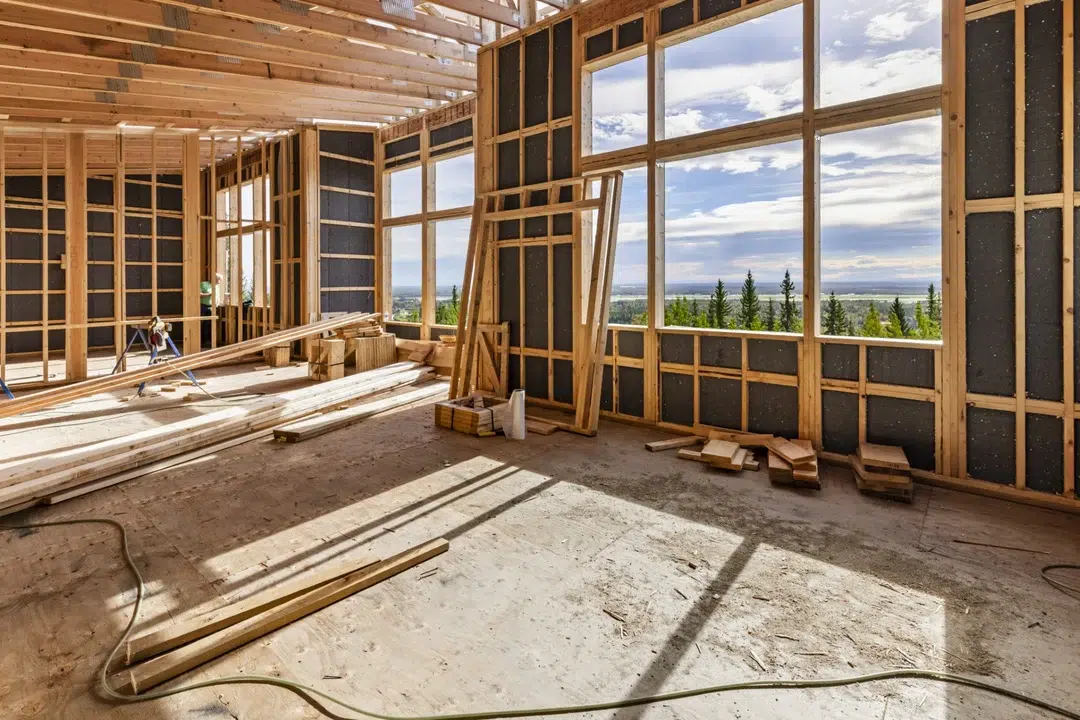
Airtightness is a workmanship problem.
An airtight envelope means air leakage is kept to a minimum, and that requires sealing around every opening and penetration through the walls and roof. Windows, doors, vents, electrical conduit and every other hole.
Insulation levels are a purchasing decision. Airtightness is a detailing and workmanship decision, which is why two houses with identical insulation can perform very differently.
You can test it. An energy advisor runs a blower door test, which pressurises the house and measures the rate at which air leaks out, turning the performance into a number.
Sustainable design questions
The building envelope defines the separation between unconditioned or unheated spaces and the part of the home that is heated and cooled. It is the first place to concentrate effort when building an energy efficient house, because everything else works against a leaky envelope rather than with it.
Significantly. A house that is wide and spread out has more envelope relative to the volume inside it, so it loses more heat than a compact house of the same floor area. This is a genuine trade off between the shape you want and the efficiency you get, and it is worth understanding early rather than discovering it in the energy model.
In a cold climate, orienting more glazing to the south captures direct sunlight through the winter, which both heats the house and brings daylight into it. The right answer depends on your site, the slope and what is around you, so it is a design conversation rather than a rule.
A blower door test. An energy advisor pressurises the house and measures the rate at which air leaks out, so the performance becomes a number rather than an intention. Sealing has to cover every opening and penetration through walls and roof, including windows, doors, vents and electrical conduit.
Longevity, more than anything. If a roof needs redoing every seven to ten years, no amount of efficient heating makes up for it. Durable materials also need considerably less maintenance across the life of the house. The right specification depends on the climate and the natural environment you are building in rather than a standard list.
For our certifications, independent testing and the difference between passive house and net zero, see building green. For the wall assembly itself, the SmartWall test data.
These decisions are easier with someone who has made them before.
Our design team can work through orientation, form and specification for your site. Design, estimating and engineering are included in the package rather than billed separately.